
American and European Business Chambers in Cambodia Express Concerns Over Escalating Border Conflict
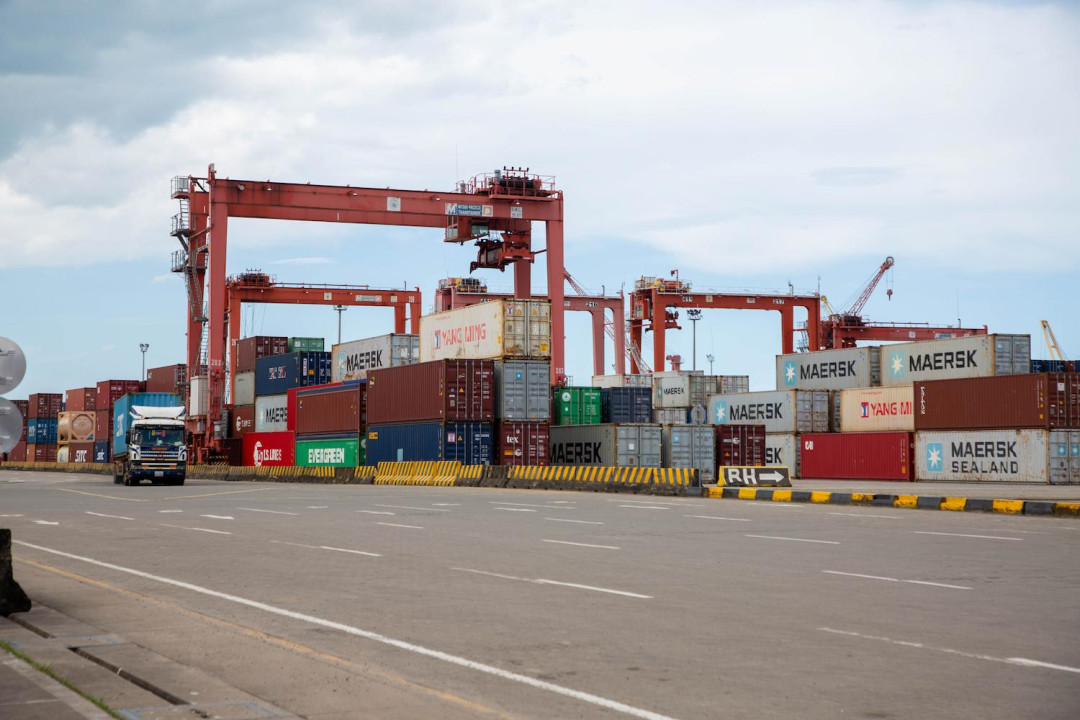
As of December 17, 2025, nearly half a million people in Cambodia have been displaced as a result of escalating hostilities across the Cambodia–Thailand border. In addition to suspension of border crossings, the Thai military have made statements of a potential blockade of maritime shipping routes in an effort to cut off oil supplies to Cambodia.
Both the American and European Business Chambers of Cambodia, representing their respective foreign business communities in the Kingdom, have expressed concerns over these developments and how they will negatively impact people’s livelihoods and ability to do business.
According to the Thai energy ministry, oil exports to Cambodia from Thailand have been halted since June. In 2024, Cambodia received around 2.2 billion litres of fuel from Thailand. A significant portion of Cambodia’s fuel imports now enter via maritime shipments, so a potential disruption of the supply chain would have major consequences.
However, despite warnings of a blockade by the Thai military, no shipping disruptions have been noted so far. In a statement published on December 16, EuroCham Cambodia’s Chair, Gabriele Faja, affirmed that the chamber has not been made aware of any operational impacts, following consultations with its transport, logistics, and supply-chain members.
“EuroCham is not aware of any confirmed obstructions or operational issues affecting the movement of goods to and from Cambodia at this time, including maritime transit, port access and docking, cargo handling, and onward trucking. Members have not reported disruptions so far, while noting that fuel supply and pricing will be closely monitored as the situation evolves,” said Faja.
He added a reminder that under the United Nations Convention on the Law of the Sea (UNCLOS), ships of all states enjoy the right of innocent passage through the territorial sea, subject to applicable international rules.
“In parallel, Thai public communications and reporting have referenced the designation of a ‘high-risk area’ and the tightening of controls relating to Thai-flagged vessels, and have emphasised that such measures are not presented as a general closure or blockade affecting third-country shipping,” he said.
Faja further noted that Cambodia’s logistics sector has demonstrated resilience and adaptability in managing disruption risks, including through route diversification and operational adjustments. The chamber commended the efforts of logistics operators, carriers, forwarders, and supply-chain professionals working to maintain the continuity of essential goods transportation.
Earlier, on December 15, Casey Barnett, President of AmCham Cambodia, wrote a letter addressed to Bridgette Walker, Chargé d’Affaires at the U.S. Embassy in Phnom Penh, expressing deep concern over Thai military statements that suggested Thailand may designated Cambodian ports as “high risk” and thus enforce a blockade of shipments of fuel and other goods.
“A blockade of fuel would have devastating consequences for American families and businesses in Cambodia. American businesses would close, and American families would face challenges in meeting basic daily transportation and energy needs, including for schools and medical treatment,” Barnett stressed.
He noted that there are approximately 865 American-owned businesses registered in Cambodia, with hundreds more working alongside Cambodian manufacturers to produce goods for American brands. He added that these companies represent billions of dollars in U.S. investment, providing high-quality, affordable goods and services to both Cambodian and American consumers.
Barnett emphasised that as most trade between the U.S. and Cambodia is conducted by sea freight, the designation of Cambodian civilian ports as high-risk would make insurance and shipping costs unaffordable, severely damaging bilateral trade. He warned that such measures could also push more than one million of the poorest and most vulnerable manufacturing workers into poverty.
“The Thai threats to Cambodian ports and fuel shipments constitute an unnecessary and cruel escalation of the conflict, placing immense suffering on the civilian population,” the AmCham president added.
Meanwhile, EuroCham Cambodia said it is supporting UNICEF Cambodia’s fundraising appeal to assist children and families affected by the recent escalation. Donations will help provide essential services, including food, healthcare, clean water and sanitation, learning materials, and mental health support for children and families at temporary sites.